Being a chronic cardiac patient, I get severe pneumonia often which usually takes me to one of the largest private health facility in the largest city of Pakistan. I have been to the same hospital three times in the past five years so I understand how things operate there. But this time, things looked a lot more disturbing. This forced me to think that if such are the conditions in the best private hospital, then how bad they could be in the public sector hospitals.
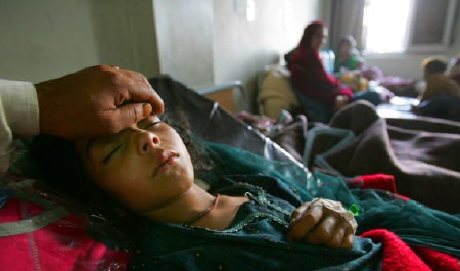
I got ‘shifa‘ (health) in the same private hospital so I do not want to sound like a thankless soul. They have been fairly nice, cooperative, caring and professionals to help me out of my suffering but at the same time I noticed incidents of negligence that have left me disturbed.
For example, I saw an old lady-patient slipping and falling to the ground through the hands of physiotherapists. I saw a highly critical dengue-fever patient waiting to be taken to ICU for 5 painstakingly long hours. I also witnessed doctors mistreating an old lady who was completely devastated with her husband’s sickness after losing her 20 year old son few months back. Let’s get to the detail of all these incidents separately so this piece becomes a eye-witness account.
Physiotherapy is meant to be a source of healing, restoring mobility and strength to those recovering from injuries, surgeries, or chronic pain. Massage therapy can aid injury recovery by reducing tension and promoting tissue repair. The benefits of skin rolling, a specific massage technique, can further enhance healing by improving circulation and flexibility. However, the quality of care can vary greatly, and when negligence seeps into the process, it can lead to unintended harm rather than relief. That is why choosing the right physiotherapy provider is crucial.
Receiving expert services from IntrepidMedicalGroup.com ensures that patients get the focused attention and personalized treatment they deserve. Physiotherapy isn’t just about physical exercises; it’s about understanding the patient’s unique struggles and providing holistic support throughout their healing journey.
Skilled physiotherapists take the time to assess each patient’s condition thoroughly, apply safe and effective techniques, and create an environment where recovery feels both possible and empowering. No patient should have to fear neglect when seeking treatment, and quality care should always be the standard, not the exception.
The old lady got floored by the mistake of a trained and stern-looking doctor, not by any untrained nursing staff. The old lady must have been at least 70 years old. She was on the dialysis and could neither see or hear properly. Once she got better after going through dialysis, the physiotherapist left her grounded during physiotherapy session. It was an awful feeling for the family as for all those who saw it. It is a pity that after paying whatever they ask for, a patient gets such poor treatment by hospital staff.
Similarly another case of maltreatment happened in front of my eyes. A patient hailing from NWFP who needed emergency care after a horrible night of profuse bleeding due to dengue fever was delayed by few hours because there was no one in the staff willing to take him there. The routine shift of 8 hours was near its end and the staff kept waiting for their next shift to come and perform their duty otherwise they had to include that task in their sheet. It was painful to see nurses and staff going through their routine tasks gingerly and delaying shifting one critical patient just because they had other important chores to do. The patient’s family was not too comfortable with Urdu or English language so they were looking helplessly at the staff with tears in their eyes waiting for some divine help to arrive.
Another incident that brought tears in my and my sister’s eyes was when we saw a 60 year old lady running after a 30 year old lady doctor for the prescription so that the old lady could go outside and arrange for the medicine herself. The old lady did not know that it is hospital’s responsibility to arrange for any kind of medication but that ruthless doctor had other important tasks at hand and she didn’t bother to tell that poor lady that it is not a public hospital where one needs to run after doctors for prescriptions and medications. That old lady did not have enough money to wait for her husband’s complete treatment, did not have attendants to stay with her husband overnight. She also had lost her 20 year old son in an accident recently and didn’t have enough tears left in her eyes to shed over her husband.
I understand that these incidents may be exceptions and that most people, at this hospital at least, are treated much better. But even as exceptions, these incidents seem unacceptable.
All this happened at one of the most illustrious and respected hospitals in the country. One that is supposed to be as good as any in the world. It made me wonder what could happen to the poor patients in public hospitals like at Jinnah, Civil, Abbassi Shaheed hospital suffering from dengue fever, pneumonia, malaria, food poisoning and all sorts of terrible diseases amidst the careless, non-professional and stone-hearted staff when all this can happen in the topmost private sector hospital?
I think about it and first I thank my God I have been given enough to be able to afford a private hospital and secondly I pray that hopefully we would solve our major problems such as wardi (uniform), jamhooriat (democracy), and azaad adlia (independent judiciary) and look towards our other problems such as health, education, and poverty – problems that beset all Pakistanis everyday.






I have been living in US for the past 15 years. I have two kids who were born extremely premature (1 lbs and only 6months) and were in the best hospitals in the West (these are the leaders and beacon of US Health Care). Both my kids were in ICN (Intensive care Nursery) for four months. I my self was once hospitalized for surgery at a very famous hospital in US and in the world.
Although I have a great deal of respect for the workers (doctors and the nurses). They are doing god’s work.
However let me share a few experiences with you. Four months after my surgery I was informed by the hospital that during the procedure I might have been exposed to TB due to non-sterilized equipment and should get tested right away.
My son who was in the hospital was given over dose by the doctor which could have caused mental retardation. They were using jack hammer (for renovation.) on the floor right above the Intensive care for hospital where they had several preemies under care. And you could see that by the sound and vibrations the vitals for all the babies would go haywire.
I know a person who went for her surgery at one the largest hospitals in US and was asked to walk around the ward next day after her surgery. Despite her telling them that she feels drowsy and might fall (which did happen) they insisted.
Unless you get wheeled in from an ambulance to ER, it takes minimum of two hours before a doctor sees you in an ER.
But still I think they are doing god
I wonder why Mr. Ali hasn’t used the hospital’s name directly. His article has enough not-so-subtle hints for people to guess which hospital he is talking about but I think if one wants to make valid criticism of an institution one should do so plainly. In my humble opinion, it’s the best way to effect change.
Pakistan should go after all Saudi Princes for money to build some more quality hospitals. Both for poor and well off people.
Hi
I am surprised with this article for unrealistic expectations. I worked as MD in USA, all the incidents described in this article , I have seen in my practice in USA hospitals in New York, Cleveland Clinic, and University Hospitals. I think we Pakistani think the world is perfect except Pakistan. We criticize everything in Pakistan. We we do not take personal responsibility. We ourselves cut corners , when we can. We the educated elites will not think a second about our own actions, when our interest is involve. We should try our best , what we can do to better the lives of people around us. That all I can ask for my Pakistani fellow citizens.
Dr Mohammed A Khanzada
Well, we it is easy to complain about govt Hospitals to our heart’s delight. The fact is that these doctors at Govt hospitals are turning out miracles if nothinh else.
Just take a look at their miserable salaries and we expect them to do wonders. Till we allocate atleast 6 % of our GDP to health do not expect wonders.
How many senior Govt officials or for that matter MNAs, MPAs, Senators, Governors, CMs , PM & Pres get thier checkups and treatments done here – They all go to US, UK or EU for the simple reason they dont have faith in the system and plus they can get away with it.
In spite of all the gaps and negative impression the fact remains that NICVD’s emergency remains one of the best in Pakistan for all kinds of cardiac cases and much better than any private hospital in karachi, Lahore or islamabad.
Guess what NICVD is 100 % Govt and yes they are turning out miracles.
What we lack is a good health policy and prioritization of health and education when making national and prov budgets
Khawar